Home Remedies or Professional Tan Removal: Which to Choose?
Introduction
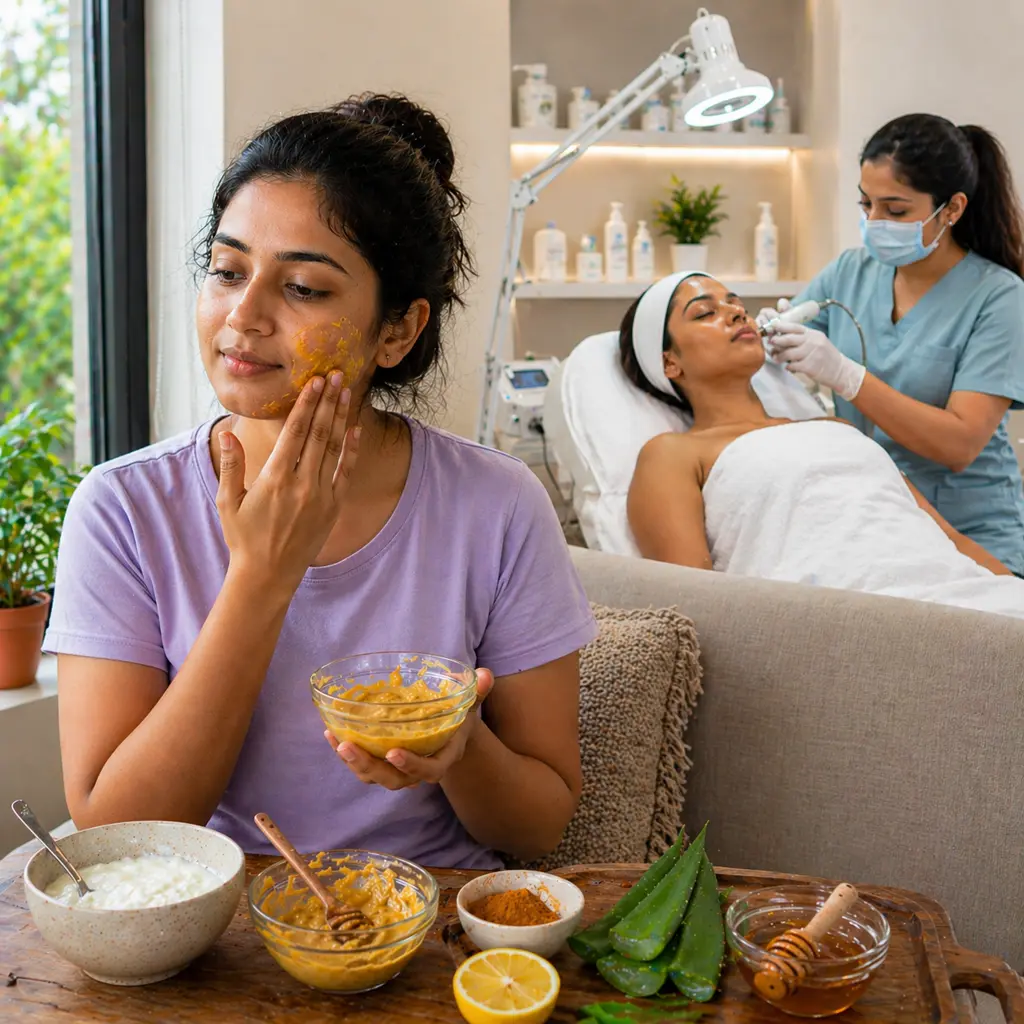
Almost every Indian household has its own go to tan removal pack. Curd and besan, lemon and honey, the classic ubtan recipes that grandmothers swore by. Then there are clinic treatments that promise faster, cleaner results. So which path actually works? The honest answer is that home remedies or professional tan removal both have their place, but the right choice depends on your tan, your time, and what your skin can handle. This guide will help you decide.
Reading Your Tan Before Choosing a Method
A tan from a recent wedding is very different from one built up over years of two wheeler commutes. Ask three quick questions. How long has the tan been there? Has it faded at all in the last few weeks? Is it spread evenly, or has it become patchy? Recently, even tans usually respond to home care. Older or patchy tans rarely shift with kitchen ingredients alone. Patchy or stubborn discolouration may not be tan at all, and understanding the difference between tanning and pigmentation helps determine which treatment is actually right for you.
Homemade Remedies for Tan Removal: When They Genuinely Work
Indian home remedies have real value for daily skin upkeep and mild surface tan. Here is an honest look at what each ingredient does and how to use it well.
Ubtan with Curd, Besan, and a Pinch of Turmeric
Curd contains lactic acid that lifts dead surface cells, besan adds mild scrubbing action, and turmeric soothes the skin. Mix into a paste, apply for fifteen minutes twice a week, and rinse with cool water. Avoid harsh scrubbing, which often worsens tan rather than removing it.
Aloe Vera and Cucumber for Cooling Repair
Fresh aloe vera calms heat irritated skin and supports overnight repair. Pair it with cucumber juice on hot afternoons after sun exposure. They will not erase tan, but they reduce redness and prevent further darkening when used the same day.
Tomato, Potato, and Yogurt for Hands and Feet
Hands, feet, and the back of the neck often tan more than we realise. Tomato pulp mixed with yogurt works well here. Apply, leave for ten minutes, rinse. Potato juice is gentler and suits sensitive areas like the wrists or under the eyes.
Sandalwood and Multani Mitti for Oily Indian Skin
For oily skin types common in humid regions, multani mitti with rose water or sandalwood paste with curd works as a weekly treat. These ingredients absorb excess oil while brightening dull skin.
Professional Tan Removal: What Changes at a Clinic
Professional tan removal works at the depth where pigment actually sits, which home remedies cannot reach.
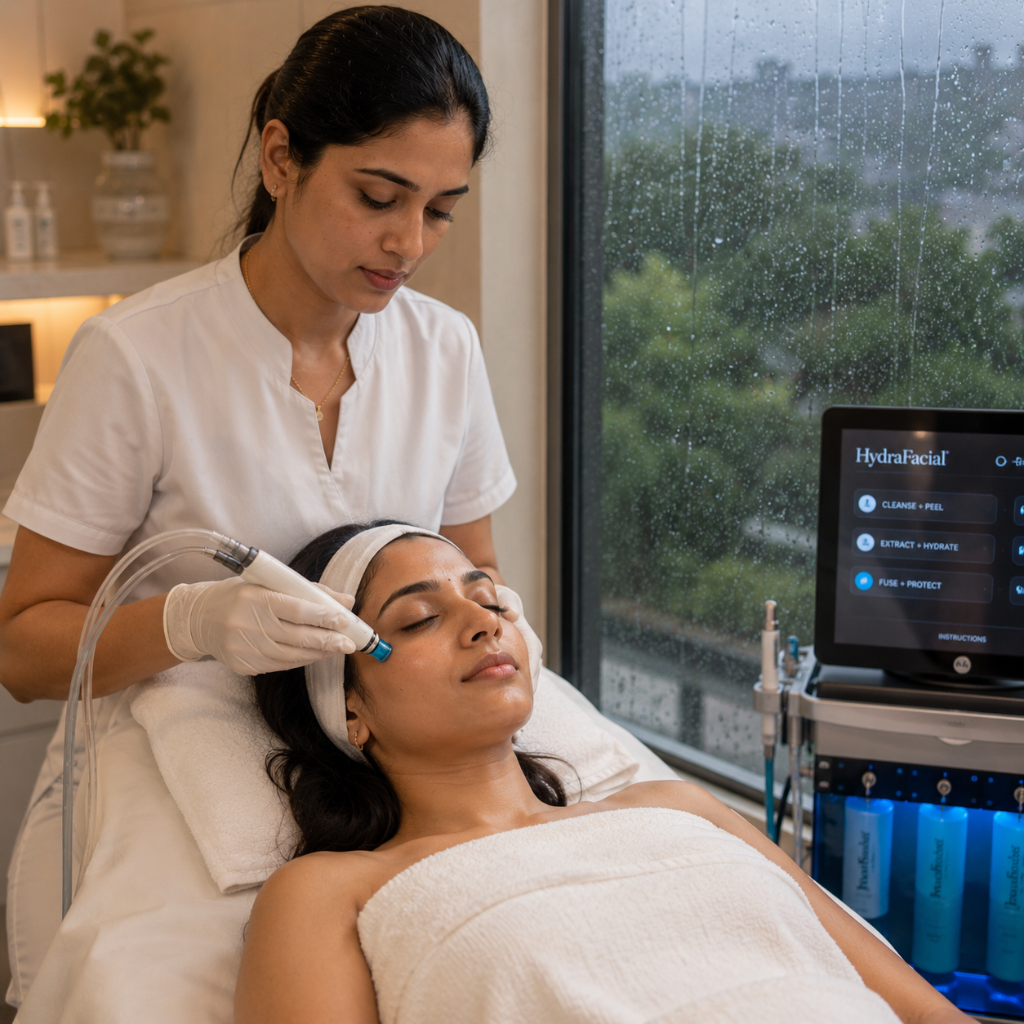
At Tune Clinical Aesthetic, the main professional tan removal options include:
- Chemical peels that exfoliate pigmented skin and refresh tone. Read more in our chemical peel guide.
- Laser treatments that target stubborn, deeper tan for longer lasting clearance. Learn more in our laser tan removal guide.
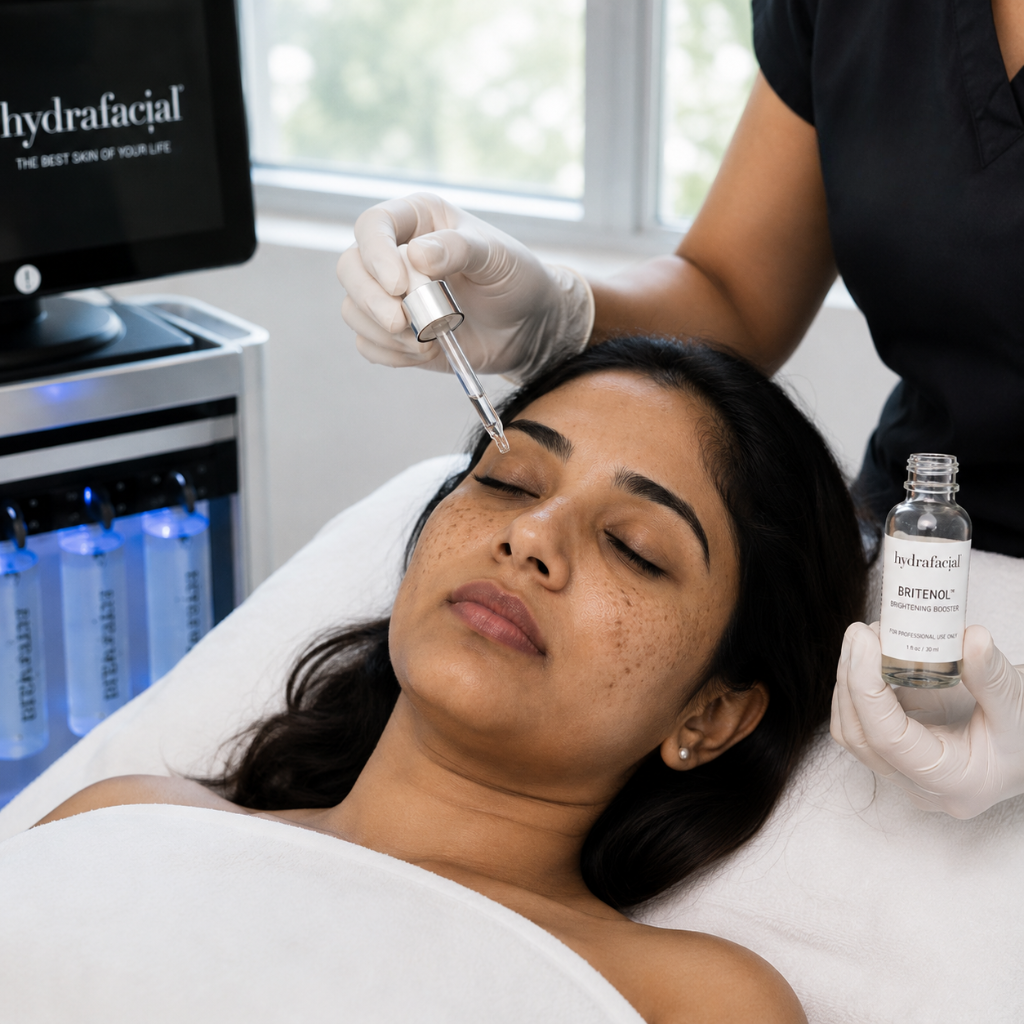
- Medi facials that brighten dull, tanned skin while supporting hydration.
What a Skin Assessment Involves
Every treatment begins with a fifteen to twenty minute assessment. The specialist examines your skin under good lighting, identifies tan depth, and checks for underlying pigmentation, sensitivity, or active acne. You will be asked about your daily sun exposure, work routine, allergies, and recent products used. This step decides which treatment suits you and what strength to start with.
What to Expect During and After Each Treatment
The visit itself is straightforward. The skin is cleansed, the chosen treatment is performed, and a calming product is applied at the end. Most sessions last thirty to forty five minutes. You can return to most daily activities right after, though strenuous workouts and direct heat should be paused for twenty four hours.
Within the first day or two, the skin looks slightly fresher and may feel tight. By the end of the first week, you will notice a more even tone, brighter appearance, and reduced dullness. Each session builds on the previous one.
Recovery in Indian Conditions
Recovery is mostly easy with a few practical adjustments. For the first day, avoid hot showers, kitchen heat while cooking, and sweaty environments. Skip the gym and outdoor walks for a couple of days. Keep skincare simple, just a gentle cleanser and a recommended moisturiser. Avoid scrubs, face packs, and active ingredients for about a week. Stay out of direct sunlight, especially during peak hours.
The bigger advantage of clinic care is predictability. You get a clear timeline, planned sessions, and a result you can rely on for weddings, holidays, or any important occasion.
Home vs Clinic De-tan Methods: A Side by Side View
|
Factor |
Home Remedies |
Professional Tan Removal |
|
Suits |
Mild, recent surface tan |
Older, patchy, or deep tan |
|
Effort |
Daily or weekly use |
Scheduled sessions |
|
Visible change |
Gradual over weeks |
Faster, within sessions |
|
Cost |
Low |
Higher but planned |
|
Best use |
Maintenance |
Targeted clearance |
Limitations of Home Remedies for Tan Removal
Home remedies improve skin tone gradually. They do not reach deeper pigmentation and cannot reverse years of accumulated tan. In Indian heat, with high UV index for most of the year, they typically need three to six weeks of consistent use to show visible change on a recent tan.
If you commute on a two wheeler or work outdoors, your skin is exposed to fresh UV daily, making it difficult for even the best remedies to keep up without proper protection. A clear understanding of how long tan removal results typically last also helps set realistic expectations when relying on home based approaches.
When It Is Time to Move From Home Care to Clinic
A few signs suggest your home routine has hit its ceiling.
- Consistent packs for over a month with no real change.
- The tan looks darker on the back of the neck, forearms, or shins.
- Skin tone has become uneven or blotchy rather than just darkened.
- You have a deadline like a wedding or holiday and need a planned outcome.
A consultation at this stage saves time and skips months of trial and error.
A Practical Combined Routine for Indian Lifestyles
The smart approach is to use both methods in their right place. A typical Indian routine looks like this. A weekly ubtan or multani mitti pack, daily aloe vera after sun exposure, broad spectrum sunscreen before stepping out, and clinic sessions when needed. After any clinic treatment, sunscreen becomes especially important, as freshly treated skin is more UV sensitive and re-tanning can happen quickly without protection.
Conclusion
Home remedies and professional tan removal serve different purposes, and the smartest skincare approach uses both at the right time. Trust home remedies for upkeep. Rely on clinic treatments when the tan needs more than kitchen ingredients can offer. If you are unsure which path suits you, our team at Tune Clinical Aesthetic is happy to help with an honest assessment built around your needs.