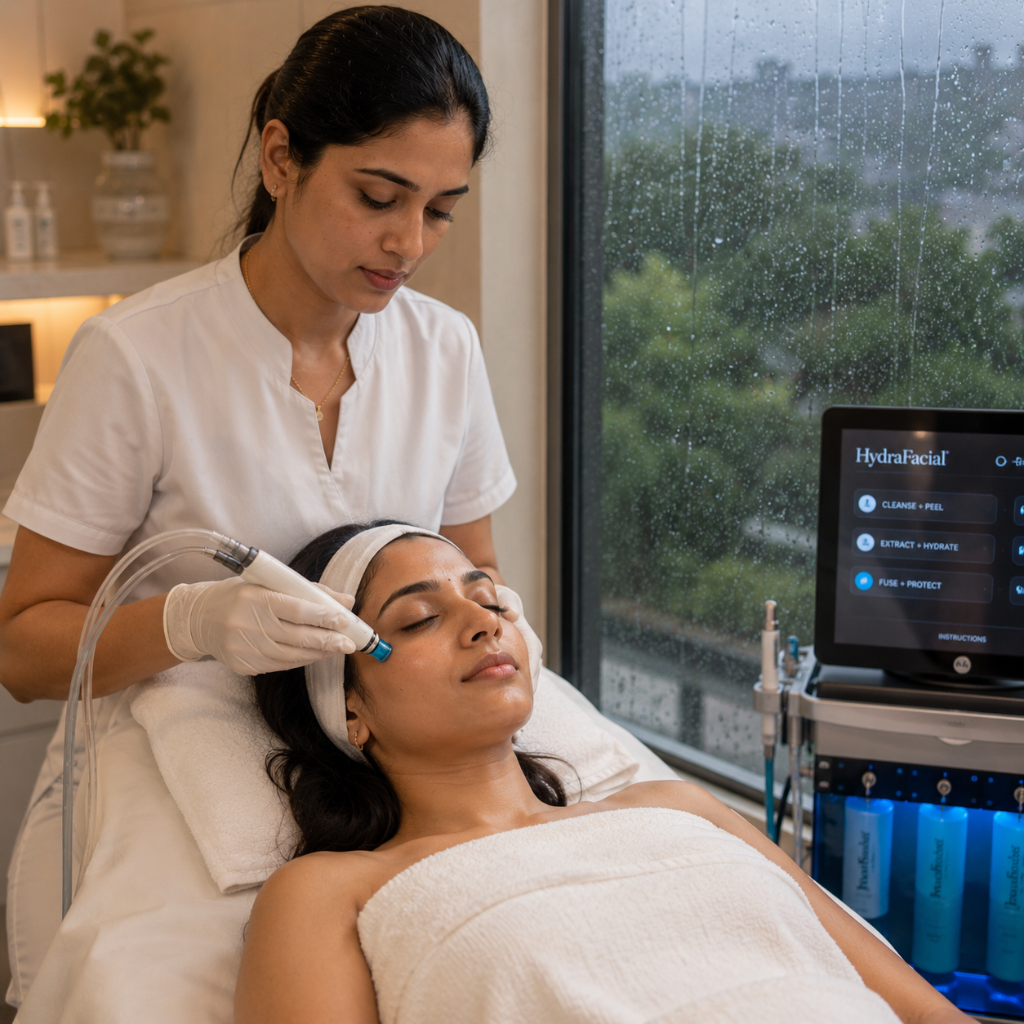
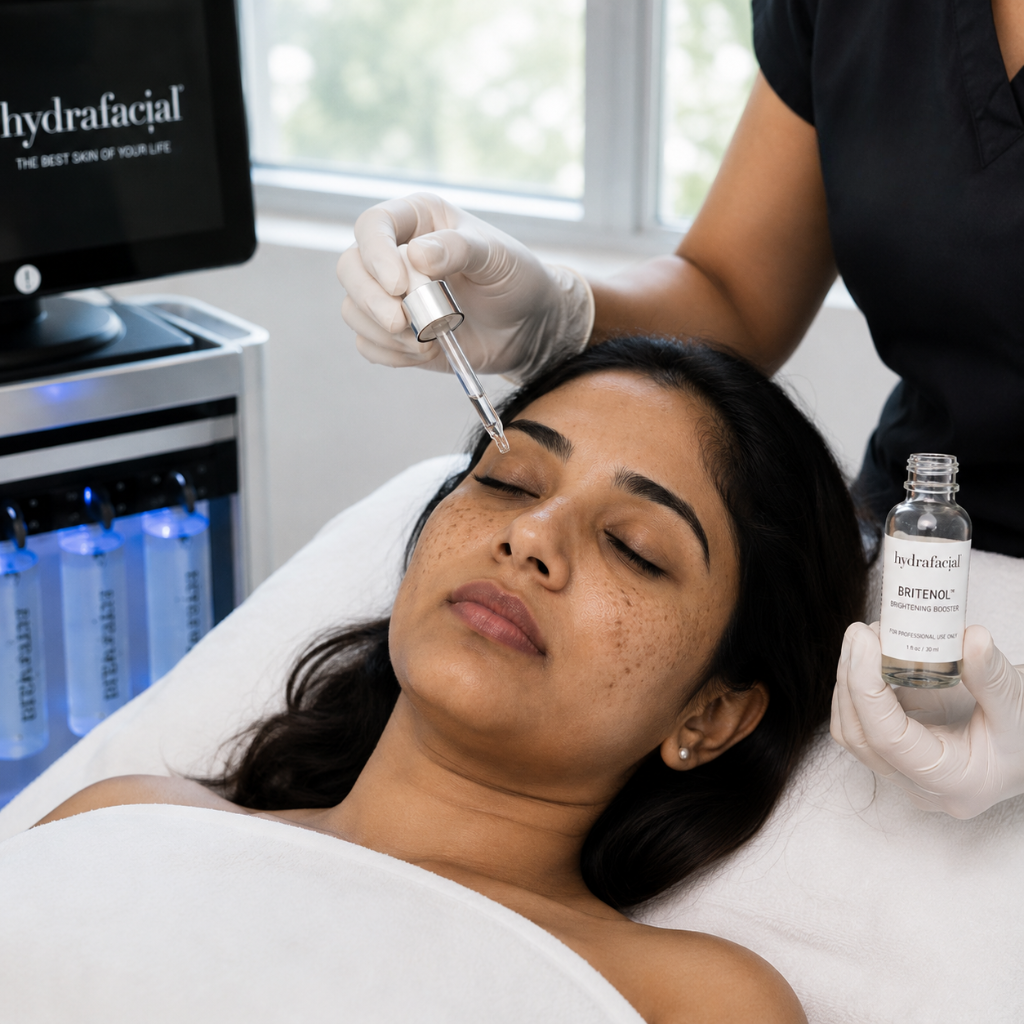
HydraFacial for Summer Skincare: Does It Really Help?
Introduction
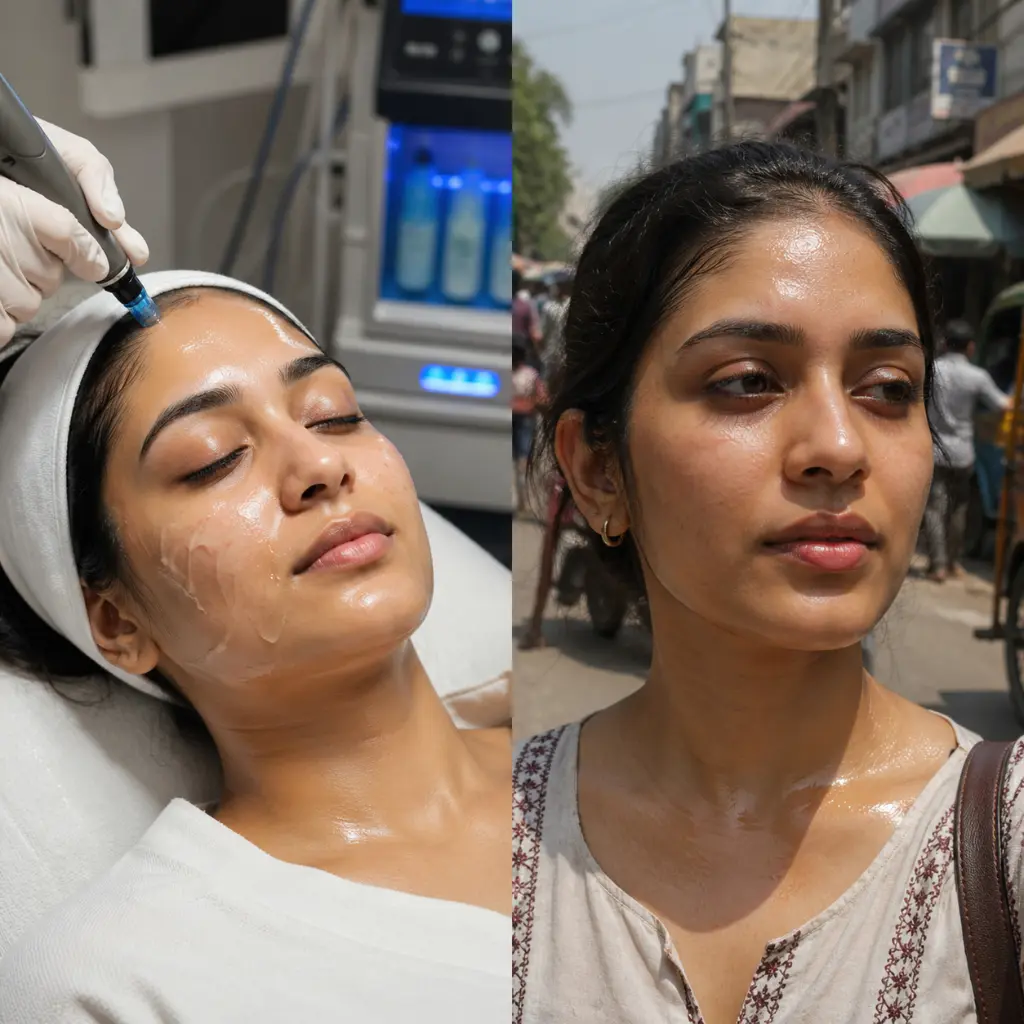
By the time April turns into May, most of our clients walk in with the same description of their skin. Sticky by noon. Shiny by evening. A tan that appeared after one weekend. Two new pimples that were not there last week. This is how Indian summers affect almost every skin type, and it is also when interest in HydraFacial peaks. But does it actually help, or is it just seasonal marketing? This guide answers that based on how skin behaves in the heat and what a professional skin treatment like HydraFacial can realistically do.
Why Indian Skin Struggles More in Summer
Heat triggers the skin to produce more oil as a cooling response. Humidity then traps that oil along with sweat, sunscreen residue, and dust inside the pores. The barrier that protects your skin gets stressed by daily UV exposure, and melanin production rises to defend against it, which deepens any existing tan or pigmentation.
The result is skin that feels oilier yet looks duller than it does in cooler months. Pores get visibly congested. Breakouts appear in places they usually do not. Even people who normally have dry or sensitive skin notice unexpected changes during these months.
How HydraFacial Addresses Summer Specific Issues
A HydraFacial works in a way that fits this season particularly well. Each of its four steps takes on a different summer concern in the same sitting.
|
HydraFacial Step |
Summer Concern It Addresses |
|
Deep cleansing |
Removes excess oil, sweat, and buildup |
|
Gentle exfoliation |
Lifts dullness caused by sun exposure |
|
Painless extraction |
Clears clogged pores before breakouts |
|
Hydration infusion |
Restores moisture and skin barrier |
Crucially, the treatment achieves all of this without harsh acids, peeling, or downtime. That matters in a season when your skin is already sensitised by daily sun exposure and the last thing it needs is more aggression.
Which Skin Types Benefit Most
Not every skin type responds to summer the same way, so the value of a HydraFacial differs slightly across them.
Oily and acne prone skin sees the biggest shift. Heat triggered oil and humidity create the perfect conditions for clogged pores. A HydraFacial clears that buildup at the source. Importantly, it also gives oily skin the moisture it is quietly missing. Dehydrated oily skin produces even more oil to compensate, which is why a hydrating treatment can rebalance summer breakouts more effectively than people expect.
Skin showing recent tan or sun damage also benefits, though within limits. The treatment lifts surface dullness and softens the look of a fresh tan. Older or deeper pigmentation usually needs additional support, which we will cover in the next section.
Sensitive and reactive skin can feel constantly inflamed in humid weather. With suction and serums adjusted appropriately, a HydraFacial calms this skin without triggering the redness that stronger seasonal facials often do.
Dry skin is sometimes overlooked in summer because we assume it suffers more in winter. In reality, indoor air conditioning, fluid loss from sweating, and direct sun leave dry skin parched. A HydraFacial gives this skin the moisture replenishment it badly needs.
When HydraFacial Alone Is Not Enough
Being upfront here matters. A HydraFacial is excellent at maintenance and at addressing surface level summer concerns, but a few situations call for something more.
- Deep, longstanding pigmentation or melasma needs a chemical peel or laser approach. A HydraFacial can support the work, but cannot do it alone.
- Hormonal acne flare ups linked to PCOS, thyroid, or menstrual cycles often need targeted treatment alongside, not just a facial.
- Heavy sun damage built up over years of unprotected exposure responds better to skin rejuvenation sessions.
- Active skin infections, open wounds, or recently sunburnt skin mean you should pause any facial until the skin has settled.
A specialist will be honest with you during your consultation about whether this approach is suitable for your concern this season, or whether you need a more targeted plan. Exploring a professional HydraFacial option can help you understand where it fits within your overall treatment strategy.
Who Should Consider a Summer HydraFacial
A HydraFacial during summer makes sense if you:
- Spend long hours commuting, working outdoors, or travelling regularly
- Live in a humid coastal city where skin feels sticky from morning to evening
- Have noticed more whiteheads, blackheads, or breakouts since temperatures rose
- Have a wedding, family function, or vacation coming up and want fresh, even skin
- Want low maintenance, non invasive upkeep through the harshest months
- Have skin that reacts to stronger seasonal facials and need a gentler option
Not everyone needs a clinic facial in summer. If your skin is stable and your daily routine is consistent, maintenance at home may be enough. For those weighing their options, understanding why many people move away from regular facials can offer useful perspective before deciding.
Booking and Aftercare Tips for Summer
Aftercare matters more in summer than in cooler months. The heat and UV exposure mean freshly treated skin needs careful protection in the days that follow.
For booking, choose an early morning or late evening slot when possible. This avoids stepping out into harsh afternoon sun immediately after the session, when the skin is most receptive to UV. For a first session, knowing what to check before booking helps you make a more informed decision.
A small amount of preparation in the days before your session also makes a real difference. Avoid direct sun exposure for two to three days before, and pause strong actives like retinol or AHA for at least a week. Skip waxing or threading on the treatment area for forty eight hours, and arrive with clean skin so the session can begin without delay.
For aftercare:
- Apply broad spectrum sunscreen every morning and reapply during outdoor hours.
- Carry a cap, scarf, or umbrella when stepping out for the next forty eight hours.
- Avoid swimming pools and chlorinated water for at least a day.
- Skip steam, sauna, and very hot showers for the first twenty four hours.
- Drink more water than usual to support skin hydration from within.
- Keep skincare gentle and pause harsh actives for about a week.
Conclusion
HydraFacial for summer is not just seasonal marketing. It genuinely fits how Indian skin behaves through the harshest months, addressing the oiliness, congestion, dullness, and surface tan that summer brings. The honest caveat is that it works best as part of a thoughtful plan rather than a standalone fix for every concern. If you are wondering whether it is the right choice for your skin this summer, the team at Tune Clinical Aesthetics is happy to assess your skin and build a plan that suits your goals.